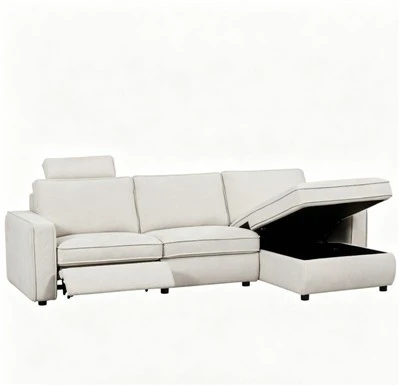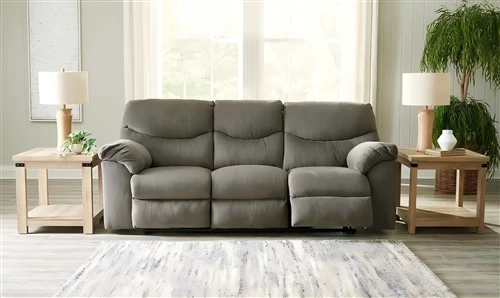


Hide-a-Bed Sofa: Space-Saving Solutions
US furniture wholesalers and importers keep a close eye on the space-saving segment because the numbers justify it. The global sofa-bed market was valued at roughly $14.8 billion in 2025 and is projected to reach about $25.6 billion by 2034, a compound annual growth rate near 6.3% [1][5]. Convertible sofa beds hold the largest product-type share at roughly 38.4%, and fabric remains the dominant material at about 45% of the market [5]. Within that stream, the US sleeper-sofa market was estimated near $6.66 billion in 2025 and is expected to climb toward $10.96 billion by 2034 at a CAGR of roughly 5.69% [6]. None of this is a niche curiosity; the **Hide a Bed Sofa** is a core assortment item for any importer building a living-room program.

The appeal is structural, not seasonal. In an era of shrinking rental square footage and higher housing costs, one unit that works as a sofa by day and a bed by night solves a real constraint for apartment dwellers, vacation-rental hosts, and guest suites. But the same dual function creates a quality-control problem a stationary sofa never has: the customer first judges upholstery and seating comfort, then opens the bed and judges the mechanism, mattress support, ease of conversion, and stability of the sleeping surface. A failure in any one of those areas can trigger a return, a warranty claim, or a negative store review. The economics of that failure are unkind. Industry fulfillment data puts online furniture return rates between roughly 18% and 25%, versus 5–10% for in-store purchases [2], and home-goods returns commonly run 15–20% [3]. More importantly, furniture sits among the highest-cost categories to reverse: return processing can eat 20–65% of the item's value, and reverse freight alone for a returned couch can run $150–300 per unit, with white-glove handling capable of pushing the all-in cost past the original sale price [4][8]. For a **Hide a Bed Sofa** that fails mechanically after a few months, the reverse-logistics bill can erase the entire margin of the original wholesale price.
The commercial counterweight to that risk is verification. Because the folding assembly packs moving joints, locking points, support legs, and a frame that must work together under repeated use, a mechanism that feels smooth in a showroom demo can still develop noise, looseness, or misalignment after weeks of real use. The most expensive lesson US buyers learn is that cosmetic showroom samples often conceal weak steel hinges, thin foam, or poorly welded support legs. This guide turns that intuition into a repeatable process: it gives you the test cycles, load values, abrasion thresholds, foam-density bands, and compliance rules that make a hide-a-bed offer comparable between suppliers, and it flags the purchasing mistakes that silently convert a low quote into a high total cost.
Hide-a-Bed Sofa Durability: What Factory QC Should Prove - and the Numbers Behind It
For US furniture wholesalers and importers, a sleeper sofa is a strong addition to a living-room assortment, but it also introduces a quality-control challenge an ordinary stationary sofa does not. Buyers who evaluate a **hide a bed sofa** should ask for evidence of mechanical testing rather than relying on appearance or a supplier's general assurance that the product is durable. The folding mechanism includes moving joints, locking points, support legs, and a frame that must work together under repeated use. Without documented tests, you are buying a promise, not a product.
Why verification matters more than appearance: a mechanism that operates smoothly during a showroom demonstration may still develop binding, uneven movement, loose fasteners, and rising operating effort after months of use. European standards treat this as a normal, testable wear pattern rather than an edge case. EN 12520, the European seating standard, sets minimum cycle life requirements that differ by mechanism type: roughly 20,000 cycles for click-clack mechanisms, 15,000 for bi-fold, and 10,000 for pull-out units [9]. BS EN 13759 specifically covers the durability of mechanisms for converting sofas and chairs into beds, using a simulated occupant weighing up to 110 kg (about 242 lb) [10]. For bed frames themselves, BS EN 1725 prescribes a dynamic durability test in which a 100 kg rolling weight travels across the mattress for 30,000 cycles to replicate long-term use [11]. These figures are not arbitrary marketing numbers; they are the baseline against which commercial buyers in mature markets compare supplier claims.
For the North American commercial market, buyers commonly look to BIFMA X5.1 for contract seating load conditions and cycle counts, and EN 1728 as a residential durability reference in the 25,000–30,000 cycle range [12][13]. When you put these together, a defensible specification for a commercial-grade **hide sofa a bed** looks like this:
Opening and closing cycle test: Operate the mechanism repeatedly, checking for binding, uneven movement, loose fasteners, and changes in operating effort. Set a baseline requirement of at least 10,000 full open/close cycles (matching the EN 12520 pull-out floor) with no permanent deformation, excessive squeaking, or hardware loosening; specify up to 15,000–20,000 cycles for hotel and high-traffic rental programs.
Load-bearing test: Apply an agreed load to the assembled sleeping surface and inspect the frame, support legs, joints, and mattress platform for excessive deflection or instability. A practical static-load benchmark is roughly 800 lb (about 360 kg) evenly distributed across the opened platform, held for 30 minutes, with no more than 10 mm deflection and no joint separation.
Frame inspection: Check welds, metal-tube connections, wooden frame joints, and fastening points before upholstery or final assembly conceals them. For commercial mechanisms, specify a minimum steel-tube wall thickness of about 1.2 mm and reject frames with incomplete welds, pinholes, or cracked timber joints.
Fabric and stitching inspection: Examine seam consistency, corner tension, abrasion-prone areas, and upholstery stress points around the pull-out assembly. The abrasion target should follow the recognized Martindale bands (ASTM D4966 / ISO 12947 / EN 14465): domestic upholstery generally starts around 15,000 rubs, a daily-use sofa benefits from roughly 25,000 rubs, and contract or high-traffic use moves to 30,000–40,000 rubs [14][15][16][17]. For wholesale upholstery you plan to sell for daily living-room use, 25,000 Martindale rubs is a defensible floor, with 40,000 reserved for contract-grade programs.
Final functional inspection: Open and close the bed, verify the legs lock into position, confirm the mattress sits correctly, and check that the unit folds back without trapping fabric.
A factory test report is only useful when the test conditions are clear. For example, a buyer might request a preliminary 500-cycle opening-and-closing test on a sample mechanism, followed by inspection for loose hardware, deformation, unusual noise, and operating difficulty; a separate load test could use a buyer-approved load and dwell time with acceptance criteria agreed before testing. These figures are examples of a proposed buyer-supplier test plan, not a universal industry standard, and actual cycle counts, loads, and pass criteria should reflect the mechanism design, intended use, and applicable requirements. What matters is that you request dated reports identifying the model, sample, test setup, and observed failures instead of accepting a bare number without context. The same discipline applies to incoming materials: metal components against approved drawings and specifications, wood frames for joint integrity and moisture-related concerns, and upholstery against the approved color and construction sample.
In a practical production workflow, incoming inspection is followed by frame and mechanism checks, upholstery inspection, assembly verification, and a final pre-shipment review. Sampling levels and acceptance limits should be written into the purchase order; for higher-volume orders, request inspection photographs, defect records, and corrective-action documentation when a problem is identified. The goal is not to test every possible failure in one session, but to establish a repeatable process that catches preventable defects before the furniture reaches a US distribution center or retail floor.
Mattress Selection for a Commercial Grade Hide-a-Bed Sofa for Wholesale: Density, Support, and Folding Fit
The mattress deserves the same attention as the frame, because it is the part customers sleep on and the part most likely to generate a complaint. A sleeper can look substantial in a showroom yet disappoint if the mattress feels thin, develops body impressions, or folds awkwardly inside the sofa. For wholesale buyers, mattress selection affects perceived value, price positioning, and the likelihood of repeat business.
The core variable buyers tend to get wrong is density. Foam density - measured in kg/m³ - predicts how long the material holds its shape; firmness, measured by indentation load deflection (ILD), predicts how it feels. The two are not interchangeable. UNIDO's polyurethane guidance puts adult mattress support cores in the 30–35 kg/m³ band [18], and mattress industry guidance typically recommends a support core of 30–40 kg/m³ for quality sleep surfaces [19]. Foam below roughly 25 kg/m³ is generally budget-grade and tends to sag within one to two years of use [20], while high-resilience foam for heavy-use seating runs 35–55 kg/m³ [20]. Translated into a hide-a-bed spec, a commercial-grade mattress core should target at least 30–35 kg/m³, and a memory-foam layer should not be judged on density alone - recovery time and heat retention matter more.
Three common constructions deserve consideration, and each carries its own trade-offs:
High-density foam: Consistent support, relatively light weight, straightforward maintenance. Check foam density (target 30–35 kg/m³ for commercial wholesale), recovery after compression, and comfort over the support deck.
Memory foam: Contouring comfort and reduced pressure at contact points. Check heat retention, recovery time, and whether the foam works with the folding mechanism - memory foam is slower to recover, which can affect how cleanly the bed folds back into the sofa.
Innerspring: Familiar mattress feel and a more traditional sleeping experience. Check coil noise, spring coverage, folding clearance, and long-term sagging; for heavy-duty use, specify heavier-gauge coils and confirm the springs do not bind when the unit folds.
These categories are not interchangeable, and the cheapest option is not always the lowest-cost choice over the product's life. A mattress that loses its shape quickly generates complaints even when the mechanical frame remains fully functional - and a warranty claim on the mattress pulls the whole unit back through expensive reverse logistics. Thickness must be assessed alongside the mechanism's available space. Most commercial hide-a-bed wholesale mattresses fall between 4 and 5 inches; thicker 6-inch mattresses are possible but require mechanism redesign and must be validated on production units. A thicker mattress may improve comfort, but it can also prevent the bed from closing properly, create pressure against the upholstery, or make the unit harder to operate. Ask the supplier to test the complete sofa with the exact production mattress - not a substitute used only for the sample.
Support also depends on the platform beneath the mattress. Check for uneven gaps, poorly positioned support bars, and areas where the sleeper's weight could concentrate between frame members. The mattress should lie evenly when opened and return to its intended position when folded. For a commercial grade **hide a bed sofa for wholesale**, request a specification sheet identifying mattress construction, dimensions, density where applicable, and any documented compression or recovery testing. Upholstery deserves similar scrutiny: fabric around the seat deck, arms, and mechanism opening experiences repeated friction during conversion, so request abrasion-test information for the proposed fabric and inspect seams where tension is concentrated. Any performance claim should be supported by the supplier's documentation and assessed against the intended market.
Before approving a bulk order, have staff or evaluators open the bed, lie on the mattress, fold it away, and repeat the process using the production configuration. Record problems rather than relying on a general impression. A small sample evaluation is far less expensive than discovering after delivery that the mattress and mechanism were never properly matched.
Wholesale Buying Mistakes and Showroom Tips for a Heavy Duty Hide-a-Bed Sofa for Retailers
The most expensive sourcing mistakes often begin with a reasonable-looking quotation. A low unit price can lose its appeal once buyers account for warranty claims, replacement parts, customer service time, and products that fail to meet expectations. Given that return processing can consume 20–65% of an item's value and reverse freight on a couch can run $150–300, a price advantage of a few dollars a unit disappears the moment a single claim arrives [4][8]. Four purchasing pitfalls deserve particular attention:
Comparing prices without matching specifications. Confirm that quotations cover the same mechanism, mattress construction, upholstery, packaging, and inspection requirements - otherwise a cheaper quote is simply a different product.
Approving a sample without checking repeatability. A showroom sample may be carefully assembled. Ask how production units are checked, what sampling level applies, and how defects are recorded and corrected.
Ignoring shipping dimensions. Verify carton measurements, gross weight, container-loading assumptions, and handling requirements before calculating landed cost. A standard queen-size hide-a-bed sofa typically occupies 18–22 cubic feet per carton, and a 40HQ container can load approximately 42–48 units depending on packaging - these numbers change your landed cost materially, so confirm them from the actual carton, not a brochure.
Overlooking spare parts and after-sales support. Agree on how replacement hardware will be identified and supplied, and establish a process for reporting faults with photographs and production details.
Buyers should also confirm the applicable US flammability and labeling requirements for the intended product and sales channel. Since June 25, 2022, upholstered furniture sold in the United States must comply with the federal standard that adopts California Technical Bulletin 117-2013, which addresses smolder resistance of cover fabrics and filling materials; the labeling requirement appears at 16 CFR Part 1640 [21][22][23]. Detachable sofa-bed mattresses fall under the mattress standards: 16 CFR Part 1632 (cigarette resistance, with a char-length limit of about 2 inches in any direction from the cigarette) and 16 CFR Part 1633 (open-flame resistance for mattress sets) [24][25]. Because these requirements depend on the product category and sales channel, review the compliance documentation before production rather than requesting it after shipment - retrofitting compliance into an already-sourced design is expensive and can delay delivery.
Make the showroom demonstrate the product's value. Retail merchandising should show the sleeper in both of its roles: display one unit fully dressed as a sofa and, where floor space allows, a second configuration with the bed unfolded. This lets shoppers compare the footprint, sleeping surface, and conversion process without relying on sales staff to describe features they cannot see. Train associates to demonstrate the opening and closing sequence slowly, including how the support legs engage and how the mattress sits on the frame; they should never force a resistant mechanism or allow customers to operate it without guidance when pinch points are exposed.
Use a compact information card to explain mattress type, sleeping dimensions, upholstery options, and the intended use of the mechanism; a QR code can link to care instructions or a product demonstration. Keep nearby accessories restrained so shoppers can focus on the transformation itself. Finally, track more than total sales. Retailers can compare demonstration-to-purchase conversion, customer questions, return reasons, and warranty claims across models. These records help distinguish a product that attracts attention from one that performs well after purchase - and, given how expensive furniture returns are, that distinction is worth a lot.
Final Recommendation
A successful sleeper assortment depends on matching mechanism reliability, mattress comfort, and retail presentation - not simply choosing the lowest quoted price. Before committing to volume, request a production-representative sample, agree on documented test criteria (cycle counts, static load, abrasion thresholds, foam density), inspect the mattress and frame together, and establish clear acceptance standards for shipment. These steps give US importers and wholesalers a stronger basis for controlling returns and protecting retail margins. To complete your sourcing review, compare the proposed specification with your target price point, customer profile, and distribution requirements.
Sources
[1] Dataintelo - Sofa Beds Market Size, Share & Forecast Report 2025–2034. [2] First Chair - Furniture Return Rate Statistics. [3] ShipNetwork - Ecommerce Return Rates by Industry: 2026 Benchmarks. [4] Orbe3D - How AR Cuts Furniture Returns by 35% (furniture AOV ~$546; return processing cost 20–65%). [5] Dataintelo / Alibaba Seller Central - Sofa Bed Types Guide (market value, convertible share 38.4%, fabric 45%). [6] Value Market Research - Sleeper Sofa Market. [7] Simple Distribution - Cost of Ecommerce Returns (Furniture & Oversize). [8] Claimlane - Furniture Returns Management ($150–300 reverse shipping). [9] WELLTOP - Sofa Bed Mechanism Types Explained (EN 12520 cycle floors). [10] BSI - BS EN 13759:2012 Operating mechanisms for seating and sofa-beds. [11] BSI - Why Choose Products with the BSI Kitemark for Domestic Furniture (EN 1725, 30,000-cycle durability). [12] MVM Hardware - Furniture Motion Mechanism Cycle Life (BIFMA X5.1). [13] MVM Hardware - Recliner Mechanism Load Testing (EN 1728 residential 25,000–30,000). [14] ACT Association for Contract Textiles - Abrasion Voluntary Performance Guidelines (20,000 low / 40,000 high traffic Martindale). [15] GERMES - What Is Martindale (domestic 15,000, contract 30,000). [16] KOTHEA - Martindale Rub Test Guide (contract grade from 40,000). [17] LoftLoom - Martindale Rub Count Explained (25,000+ daily sofa use). [18] UNIDO - Polyurethane in the Furniture Industry (adult mattresses 30–35 kg/m³). [19] iFoam - Foam Density Buyer's Guide (30–40 kg/m³ support core). [20] Ape-Home - Compressed Sofa Foam & Spring Guide (<25 kg/m³ budget, 35–55 HR). [21] CPSC - New Federal Safety Standard for Upholstered Furniture (TB 117-2013, June 25, 2022). [22] Federal Register - Standard for the Flammability of Upholstered Furniture (16 CFR 1640 adopts TB 117-2013). [23] CPSC - Upholstered Furniture FAQ. [24] CPSC - Business Guidance FAQ (16 CFR 1632 char length ≤ 2 in). [25] CPSC - Laboratory Test Manual for 16 CFR Part 1633 (open flame, mattress sets).