
Introduction
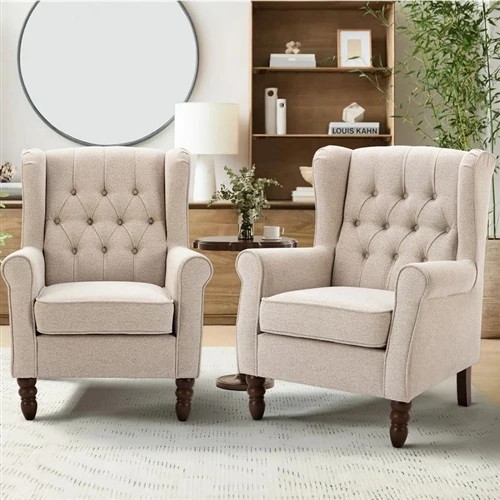
Retro seating can give a furniture assortment a recognizable design story without requiring a fully trend-led collection. Tapered legs, curved backrests, compact proportions and textured upholstery work across residential lounges, boutique hotels, co-working spaces and café reception areas. For wholesalers, importers and hospitality FF&E buyers, however, a convincing silhouette is only the starting point. A chair that looks right in a showroom can still generate returns if its seat compresses too quickly, its frame joints loosen, or its fabric pills under regular use.
The sourcing challenge is particularly important when a supplier reproduces a vintage-inspired shape using lower-cost internal construction. A narrow arm profile may limit the space available for reinforcement. A thick-looking cushion may rely on soft, low-resilience foam. Plush velvet can photograph well but show pressure marks, shading or wear more readily than a tighter woven fabric. These problems affect customer reviews, warranty expenses and project handovers.
A successful retro armchair program connects design, material selection, performance testing and order planning. Buyers should define the intended use before choosing upholstery, then verify that production units match the approved sample. This guide explains how to evaluate frame and comfort quality, compare fabrics, manage compliance requirements and prepare wholesale or FF&E orders with fewer avoidable surprises. The objective is not to make every chair suitable for every environment; it is to match the specification to the sales channel and verify that the factory can reproduce it consistently.
Frame & Comfort QC for Wholesale retro armchair
For importers, frame quality and seating comfort are linked commercial decisions. A chair may pass visual inspection yet develop movement at the joints after repeated use. A structurally sound frame may still disappoint customers if the seat feels comfortable for five minutes but loses support over time. Either issue can lead to returns, discounting and complaints that are expensive to resolve after delivery.
Frame construction: inspect the joints, not just the timber
Retro designs often feature exposed legs, slim arms and compact frames. Those proportions make the silhouette attractive, but they can leave less room to conceal weak connections. Buyers should request a construction description identifying frame materials, joint methods, reinforcement points and leg attachment methods.
Hardwood and engineered wood can both be appropriate when correctly selected and manufactured. The label alone does not establish quality. Ask how timber moisture is controlled, whether plywood grades and thicknesses are consistent, and whether the frame distributes loads instead of concentrating them at a few fasteners.
Inspect corner and rail joints, dowel alignment, adhesive application, leg attachment and overall geometry. Dowels should fit consistently and joints should close without visible gaps. The factory should control adhesive type, coverage, assembly pressure and curing time. A statement such as "strong glue" is not a usable specification. Check threaded inserts, mounting plates and bolts where legs attach; repeated movement can loosen poorly supported fittings. Look for rocking, uneven feet, twisted rails and differences between the left and right sides.
Ask the supplier to demonstrate the frame before upholstery on a development sample or production-line unit. Once the frame is covered, inspectors may not be able to identify incomplete joints or missing reinforcement without destructive inspection. For a contract project, record the frame construction in the approved specification so substitutions require written approval.
For lounge seating intended for offices, reception areas or hospitality interiors, discuss whether ANSI/BIFMA X5.4, Public and Lounge Seating, is appropriate to the product and use case. Confirm the current edition, scope and test requirements with BIFMA or the laboratory. Do not treat a general-purpose office-chair standard as a universal test for every armchair, and do not imply that a standard is mandatory in every market unless the applicable contract or regulation says so.
Foam specification: evaluate support retention, not density alone
Foam density is useful purchasing information, but it is not a complete measure of comfort or durability. Density generally indicates mass per unit volume; it does not by itself tell a buyer how firm a cushion feels, how quickly it recovers, or how well it resists fatigue.
For seat cushions, request the foam grade, density, firmness or indentation-force information, and any available fatigue-test results. If high-resilience foam is proposed, ask for the grade and supporting documentation rather than treating "HR" as proof of performance. Different formulations can behave differently even when their stated densities are similar.
A practical retro armchair foam and cushion QC process compares initial feel, recovery and repeatability. The seat should provide the intended balance of softness and support. After compression, it should recover evenly rather than retaining visible depressions. Cushions from different chairs in the same lot should look and feel consistent. Ask the factory or laboratory to document the test method, sample construction, loading procedure, cycle count where relevant and measurement method. A report that merely says "passed" is less useful than one identifying the specimen and result.
Comfort also depends on the relationship between seat height, usable seat depth, back angle, arm height and cushion compression. These dimensions should be assessed together. A low, deep seat may suit a relaxed residential lounge but be less practical in a reception area where guests need to sit down and stand up easily. High arms may support the forearm but interfere with desks or side tables. A very upright back may suit short waiting periods but not longer lounge sessions.
During sample approval, ask evaluators to sit in the chair for a defined period and record feedback using a consistent form. Include people of different heights where practical, and assess both entry and exit. For a project order, compare the chair with the intended side table, desk or adjacent sofa rather than evaluating it in isolation. Avoid treating one preferred posture as a universal comfort benchmark; the goal is to determine whether the design fits the intended market and whether production can reproduce that experience.
Translate test evidence into purchasing controls
The test plan should follow the intended use. A decorative chair in a low-traffic hotel suite has a different duty cycle from a chair in a busy café waiting area. Buyers should define expected traffic, cleaning practices and the consequence of failure before requesting tests. This helps the supplier quote an appropriate specification instead of adding cost without a clear purpose.
For a commercial grade retro accent armchair, request a model-specific record linking frame materials, foam grade, upholstery article and relevant test reports. The supplier should explain what each report covers and identify any exclusions. If the report is for a similar model with different frame geometry or foam, ask the laboratory whether the result can reasonably be applied to the proposed chair. Do not assume that a certificate for one component proves the performance of the complete product.
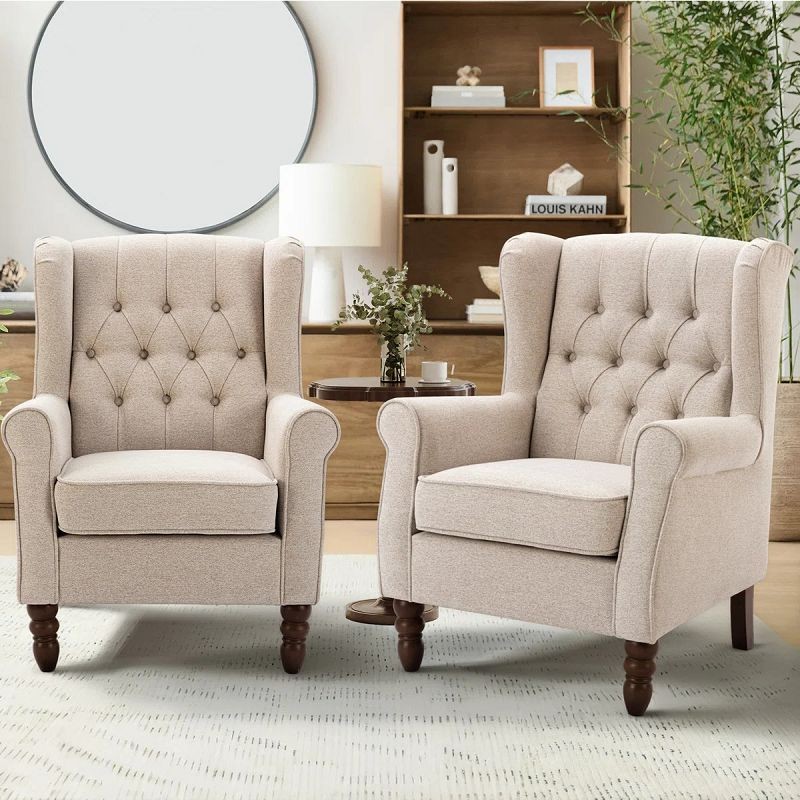
Upholstery Fabric Selection & Wear Testing for Commercial Lounge Use
Fabric is one of the most visible choices in a retro collection, but it also creates a direct link between positioning and after-sales risk. Velvet can give a chair a premium appearance; chenille adds softness and visual depth; textured woven fabric can make a collection feel contemporary while concealing some minor surface variation. None is automatically the best choice for every wholesale or hospitality order.
The right choice depends on expected traffic, cleaning method, color direction, fabric construction and the buyer's tolerance for visible wear. A fabric that performs well in a low-traffic residential setting may be unsuitable for a busy shared lounge. Specifying the most demanding commercial fabric for every retail SKU can also raise costs without adding value for the intended customer.
Martindale abrasion: interpret the result in context
Martindale abrasion testing is widely used to compare textile abrasion resistance. ASTM D4966 describes a method for determining abrasion resistance using a Martindale abrasion tester. It does not establish one universal pass mark for every upholstered chair, and an abrasion result alone cannot predict service life. Test results should be interpreted alongside fabric construction, intended use and other performance properties.
For wholesale purchasing, that distinction matters. Buyers often compare fabric quotations by cycle count alone, but fabrics with similar reported results can behave differently in use because of pile construction, yarn type, backing, finishing and the way the fabric is stretched over the chair.
A useful specification records the test method and edition, reported result, laboratory, fabric composition, construction, color and finish. It should also identify any additional requirements for pilling, seam slippage, colorfastness or cleaning resistance. If two reports use different methods or conditions, their numbers may not be directly comparable. Avoid promising a specific number of years of use based solely on a Martindale result.
Velvet, chenille and textured weaves
Velvet can suit premium residential ranges and boutique hospitality projects. Its pile creates depth and changes appearance with light and viewing direction. That characteristic can make pressure marks, shading and crushed areas noticeable. Inspect the fabric from several directions and sit on the sample to see how the pile changes under pressure. Confirm whether the appearance is normal for that fabric and provide accurate care guidance to retailers.
Chenille offers a soft hand and a visually rich surface, but performance varies by yarn, weave and backing. Some constructions may show fuzzing, snagging or pile disturbance around arm fronts and seat edges. Buyers should evaluate the actual proposed fabric rather than assuming the category name guarantees durability.
Textured woven fabrics offer a broad range of neutrals and accent colors. Small-scale texture may make minor marks less obvious, depending on the design. Loose constructions can be more susceptible to snagging, while highly textured surfaces may complicate cleaning. For all fabric groups, request a production-representative swatch and record the exact mill, article number, color, composition, finish and cleaning method.
Where a fabric is treated for stain resistance, ask what the treatment is intended to do, whether it changes cleaning instructions, and whether claims are supported by documentation. Stain resistance is not the same as stain-proof performance.
Build a test plan around the application
A commercial specification should not rely on abrasion alone. Depending on the project, the buyer may also need to evaluate pilling, seam slippage, colorfastness to rubbing, light exposure, cleaning compatibility and dimensional stability. Pilling can make a relatively new chair look worn. Seam slippage can affect tightly upholstered seat panels and arm corners. Color transfer may become an issue when dark upholstery rubs against lighter clothing or adjacent materials.
Create a fabric approval record that links the swatch to the exact mill, article number, color, finish and test reports. If the mill changes yarn, backing or finishing, require notification and confirmation of whether the change affects the approved specification. For retro armchair for lounge wholesale, the question is not whether the fabric has an impressive test number. It is whether it suits the traffic, remains acceptable in appearance, can be cleaned as specified and can be replenished consistently.
Flammability: specify destination market and end use
Upholstered-furniture requirements vary by jurisdiction, product category and intended use. A US retail chair brief should not automatically be reused for a UK hotel project or a multi-country hospitality order.
In the United States, the federal upholstered-furniture flammability rule under 16 CFR Part 1640 incorporates requirements based on California Technical Bulletin 117-2013. Compliance depends on the applicable product construction and components; a fabric certificate by itself does not necessarily establish that the finished chair complies. Buyers should verify current requirements with the CPSC and their compliance specialist.
In the UK, BS 5852 provides test methods for assessing the ignitability of upholstered seating material combinations and complete seating products. In Europe, EN 1021-1 addresses assessment of the ignitability of upholstered furniture by a smouldering cigarette. Other requirements may apply depending on the market and project specification. These methods are not interchangeable certifications. Confirm the applicable legislation, test method, ignition source, specimen construction, labeling and documentation with the importer, project consultant or compliance specialist.
The practical rule is to test the construction that will actually ship. If the factory changes foam, barrier, cover fabric or another relevant component after testing, ask the laboratory whether a new assessment is required. This is particularly important for hospitality projects, where a late rejection can affect installation schedules and create expensive rework.
How to Validate Factory Sample Consistency Before Bulk Production
A sample approval confirms a design direction; it does not guarantee that every chair in a production lot will match it. Retro furniture makes this risk especially visible because the silhouette is often the main selling point. A small change in the backrest curve, leg angle, arm thickness or cushion profile can make a mass-produced chair look different from the showroom sample.
Establish a golden sample and written specification
Keep one approved reference sample or an agreed set of reference components. Record overall dimensions, seat height, usable seat depth, backrest shape, leg angle, cushion construction, fabric identification, color, stitching details and packaging. Photographs are useful but should not replace measurements or written material specifications. A photograph may conceal a change in foam firmness, frame reinforcement or underside construction.
The reference sample should be traceable to the purchase order and production version. If the design changes after approval, issue a revised specification and identify which version applies to the order. Otherwise, the factory, buyer and inspection company may work from different references.
Watch for production drift
Common causes of inconsistency include replacement materials, supplier substitutions, changes in cutting patterns, different foam batches and adjustments made to improve production efficiency. These changes may seem minor on the factory floor but become visible when chairs are placed together in a showroom or hotel lounge.
A pre-shipment inspection should compare randomly selected production units against the approved reference. Check dimensions, symmetry, stitching, fabric direction, finish, cushion recovery, leg stability, workmanship and packaging. Look for rocking, loose joints, uneven upholstery tension, exposed staples and carton damage. Agree on inspection criteria and defect classifications before production starts.
Request reports that identify the actual product
Third-party testing can provide useful evidence, but a report is only as relevant as the specimen and method it covers. Ask for the laboratory name, test date, report identification, model and specimen description, represented materials, methods and editions, results, limitations and any conditions attached to the findings.
If a report covers a similar-looking chair with different upholstery or frame construction, do not assume it proves the proposed product's performance. Ask the laboratory or compliance specialist whether the difference is material to the result. For mid-century retro armchair bulk sourcing, connect the approved sample, bill of materials, test reports, production inspection and shipment records through the same model code. This traceability makes it easier to investigate a complaint without guessing which fabric lot or foam specification was used.
Wholesale & FF&E Sourcing Checklist for Retro Lounge Armchairs
A good sourcing program balances design variety with repeatable production. Buyers do not need to order every silhouette, fabric and finish in a supplier's catalog. They need an assortment that serves the target customer, supports replenishment and avoids tying too much cash up in slow-moving combinations.
Plan the assortment before confirming the order
For retail wholesale, consider starting with a limited group of core shapes and colors. A recognizable retro profile in a few commercially appropriate upholstery options may be easier to merchandise and replenish than a collection with numerous low-volume variations. Accent colors can be introduced in smaller quantities after the base range demonstrates demand.
For hospitality projects, the decision is different. The buyer may need a coordinated fabric across a large quantity, replacement material for future maintenance, and consistent dimensions for room layouts or lounge plans. Confirm delivery schedules, spare-unit expectations, installation access and approvals before the purchase order is finalized.
Pre-order checklist
Confirm the intended use; approve frame materials and joint construction; record foam grade and firmness information; approve fabric article, color and cleaning instructions; verify applicable flammability and seating requirements; retain a traceable golden sample; agree on inspection criteria; confirm MOQ, lead time and replenishment; request spare swatches and assess replacement cushion availability; and check packaging and shipment documentation.
Before committing to a large order, request the MOQ by frame, fabric and color. A factory may offer a manageable MOQ for the chair structure but require a larger fabric commitment for a special upholstery choice. Clarify whether fabric can be shared across other products and whether the same article and color can be reordered later.
For hospitality buyers, include a process for replacement cushions, spare legs and fabric swatches where commercially justified. Replacement components can be more economical than replacing an entire chair, but only if dimensions and materials remain consistent and parts are available when needed.
For sourcing teams comparing a **_retro armchair_** collection, start with the product's intended channel, then request the construction details and evidence needed for that use. Buyers planning a retro armchair for lounge wholesale program should compare performance and replenishment options alongside unit cost. For larger projects, shortlist a commercial grade retro accent armchair against the project's seating, cleaning and compliance requirements rather than appearance alone.
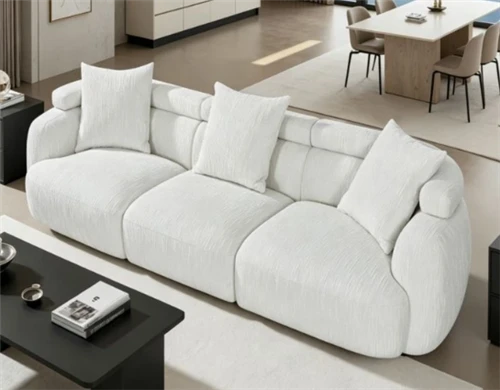
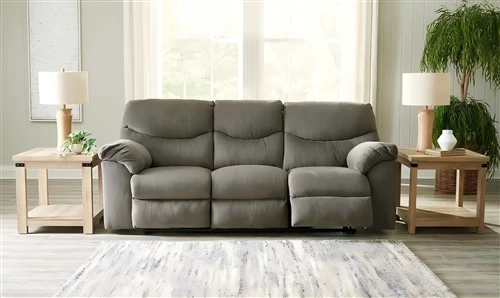
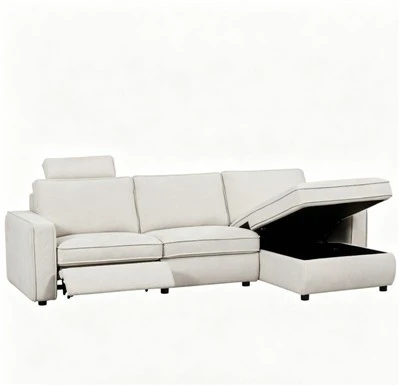
Explore the armchair category and related leisure sofa range to consider how retro chairs may sit within a broader lounge assortment. Confirm current product availability, specifications and suitability for the intended retail or contract application before finalizing a purchase.
Sources
BIFMA - ANSI/BIFMA X5.4 Public and Lounge Seating: https://www.bifma.org/standards/x5-4/
ASTM International - ASTM D4966, Abrasion Resistance of Textile Fabrics: https://www.astm.org/standards/d4966.htm
U.S. Consumer Product Safety Commission - Upholstered Furniture Flammability Guidance: https://www.cpsc.gov/
British Standards Institution - BS 5852: https://www.bsigroup.com/
European Committee for Standardization - EN 1021: https://www.cen.eu/
Furniture Today - Furniture industry news and market coverage: https://www.furnituretoday.com/
Home Furnishings Association - Retail industry resources: https://www.homefurnishings.org/
National Association of Home Builders - Housing and construction research: https://www.nahb.org/