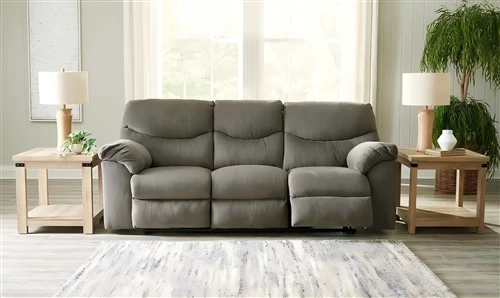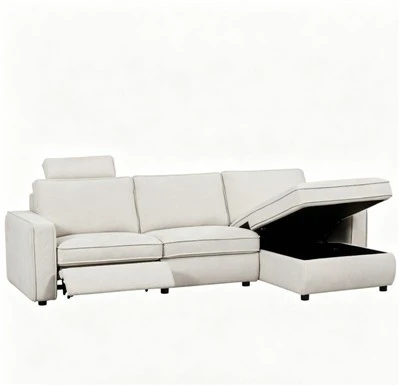


Sourcing Guide for US Wholesalers: 4 Seater Electric Recliner Sofa Motor QC & American Compliance Rules
For US furniture wholesalers, importers, and retail buying teams, motion upholstery represents one of the highest-margin categories in the residential and home theater furniture mix. Yet a single defective 4 seater electric recliner sofa can erase the gross margin generated by multiple healthy units sold to your retail network. Industry sourcing data from North American furniture importer roundtables shows powered recline furniture carries a return rate 2.7 times higher than stationary upholstered sofas, and more than 62% of those returns trace back to hidden electrical failures or non-compliance issues that do not appear in pre-production sample photos or factory sales catalogs. These two failure modes - premature motor and wiring harness breakdown, plus non-compliance with federal and California flammability and labeling rules - create dual risk: costly warranty claims and port detention that can hold an entire container shipment for weeks.
This guide is built specifically for professional buyers who source commercial grade electric recliner sofa inventory from overseas factories. It moves beyond surface-level marketing descriptions and gives you a repeatable, auditable QC and compliance framework you can insert into your purchase order terms, pre-shipment inspection checklist, and vendor scorecard. We will break down mandatory motor testing standards, non-negotiable US regulatory requirements, how to separate legitimate third-party lab reports from self-issued factory declarations, and how to structure your bulk purchasing workflow to protect long-term profitability. If you are actively adding this SKU to your showroom lineup, review our detailed offering of 4 seater electric recliner sofa built for wholesale distribution.
Electric Recliner Sofa Motor & Mechanism QC Checkpoints Every Wholesale Buyer Should Demand
When evaluating a fabric electric recliner sofa for wholesale distribution, the motor and wiring harness assembly is the highest-risk component, and it is the area where factory quality gaps most frequently emerge after the product lands in retail customers' homes. For the US market, the foundational safety benchmark for all motor-operated furniture is UL 962, the Standard for Safety of Household and Commercial Furnishings, which explicitly covers motorized recline drives, linear actuators, wiring assemblies, and control handset electronics for residential and light commercial upholstered furniture. Many overseas factories will claim "UL compliant" without providing component-level UL listing records, and this is one of the most common sourcing traps for first-time importers of motion furniture. UL 962 is not a vague quality seal; it defines overload testing, dielectric strength, thermal runaway protection, and wiring gauge requirements that directly reduce fire hazard and mid-life motor failure. For buyers, this distinction matters: a sofa frame with no electrical component testing does not meet UL 962, even if the factory has a general ISO certificate.
The first checkpoint you must enforce on every production batch is verification of motor model and component certification. Do not accept a generic certificate for the whole sofa; ask the factory to provide the UL file number tied to the exact linear actuator model fitted inside the 4-seater unit. Many low-cost suppliers swap certified motors for uncertified alternatives once mass production begins, a practice known as "spec drift" that is extremely difficult to catch after shipment. Your QC inspector must cross-reference the motor model number printed on the actuator housing against the UL certificate during pre-production and pre-shipment inspection. This simple check eliminates the risk of receiving units fitted with actuators that have not passed overload and endurance testing.
Next, inspect wiring harness gauge, connector sealing, and strain relief points. In cheaper mass production runs, factories often reduce copper wire gauge to cut material costs, which raises heat buildup during repeated recline cycles and accelerates insulation breakdown. For 24V DC recliner actuators used in North American motion furniture, the industry standard minimum wire gauge is 20 AWG for main power runs. Connectors should be locking, water-resistant IP20 rated, and fitted with strain relief at the point where the harness exits the frame. Without strain relief, normal shifting and movement of the sofa frame during recline will fatigue copper conductors, leading to intermittent connection failure, dead motors, or short circuits 3–9 months after retail delivery. For a wholesaler, this failure timing is uniquely damaging: the product has already passed your inspection and sold through your retail partners, and the defect surfaces well inside the warranty window.
For dual-motor 4-seater configurations, synchronization testing is another frequently overlooked QC step. A 4 seater electric recliner sofa with independent motors for each seat must maintain synchronized speed and load response across the frame. If the factory skips calibration, one seat will extend faster or bind under load, creating frame torsion, squeaking, and premature weld failure on the recline bracket. During factory testing, units should cycle all recline positions together, under a distributed static load matching BIFMA X5.1 seated load specifications of 109 kg per seat position. The inspector should log noise consistency across all operating positions; consistent, low operating noise below 50 decibels is a practical field indicator of well-fitted gears and properly lubricated actuators, while inconsistent grinding or clicking noise almost always signals poor tolerance control inside the motor gearbox.
The most important validation step is endurance cycle testing for electric recliner sofa motor testing. BIFMA guidance for commercial-grade motion furniture requires a minimum of 300,000 full open-and-close cycles under rated load without permanent actuator deformation, overheating, or binding. Many factories will only run 50,000 cycles or less for sample approval, which is insufficient for wholesale inventory that will be sold to active home theater users. This test also includes continuous current draw and thermal monitoring: a healthy actuator should not exceed its rated current by more than 15% during peak recline load, and surface temperature must stay below 70°C after continuous cycling. Buyers should ask for timestamped cycle test reports, not just a signed factory statement. Translate these technical requirements into commercial terms for your vendor agreement: specify that failure to pass endurance testing triggers a hold on shipment, at the factory's cost. This moves quality control from a sample-only exercise to a binding production requirement.
US & California Compliance You Cannot Skip for an Electric Recliner Sofa
Electrical safety is only half of your US-market compliance burden. The second non-negotiable layer is upholstery flammability regulation, governed at both federal and state levels, with California rules setting the baseline for the entire national market. The federal standard 16 CFR Part 1640 formally adopted California TB 117-2013 as the national smolder-resistance standard for upholstered furniture, with a mandatory effective manufacturing and import date of June 25, 2021, and permanent labeling compliance deadline of June 25, 2022. This rule applies to all upholstered residential furniture imported for sale in the United States, including fabric motion recliners sold for home theater and living room use. Unlike the older TB117-2010 standard that focused on open-flame resistance, TB 117-2013 tests smolder resistance of cover fabric, barrier layers, foam filling, and decking materials, simulating ignition from a cigarette or smoldering ash, the leading cause of upholstered furniture fires in US households.
For importers, the critical point is responsibility: the importer of record bears legal liability for compliance, not the overseas factory. CPSC enforcement actions have resulted in port holds, mandatory product recalls, and civil penalties for non-compliant upholstered furniture shipments, even when the factory provided verbal assurances of compliance. A factory's self-printed "TB117 compliant" label sewn into the sofa does not satisfy the rule. You must retain third-party lab test reports that identify the exact fabric, foam, barrier, and decking material lot numbers used in the production run. Each material component must be tested separately, not just the finished sofa assembly. This is a common shortcut used by low-cost factories: testing one compliant fabric sample and applying the same report to dozens of different fabric SKUs on the same production line.
California-specific rules add an extra layer of scrutiny for any inventory that will ship to California retailers or distribution centers. TB 117-2013 was originally enacted under California SB 1019, signed to reduce the use of toxic flame retardant chemical treatments while still maintaining fire safety performance. Many buyers misunderstand this shift: the new standard does not remove flammability testing requirements, it changes the test method from open flame to smolder resistance. That means you cannot assume untreated foam automatically passes. Some foam formulations and lightweight woven fabrics will still fail smolder testing, and shipments bound for California can be detained by state regulators even if they meet only older informal standards.
The permanent labeling requirement is another detail that creates costly delays. Every fabric electric recliner sofa unit must carry a durable, sewn-in label that lists compliance to TB 117-2013, identifies filling materials, and includes the manufacturer or importer name and contact information. Stick-on labels are not acceptable; labels must survive normal wear and cleaning for the usable life of the sofa. You should include label verification in your pre-shipment inspection checklist, because relabeling a full container after arrival at the US port is labor-intensive, expensive, and can delay your release from customs for weeks.
It is also important to separate frame structural compliance from flammability compliance. Solid hardwood or plywood frame construction is a commercial-grade expectation, but it is not covered by 16 CFR Part 1640. Frame durability follows BIFMA seating standards, while fire safety falls under CPSC jurisdiction. The biggest compliance pitfall for new wholesale buyers is conflating these two categories. A factory may produce a robust, well-built frame and still supply non-compliant foam or cover fabric. As a buying rule, split your compliance documentation into two separate folders: electrical safety documents for the motor and wiring, and flammability lab reports for all upholstery fill and cover materials.
How to Vet a Factory's Test Report Before a Bulk Order
Once you collect UL, CPSC, and BIFMA documentation from your supplier, you need a consistent workflow to separate valid third-party test reports from self-declared factory paperwork. This distinction is the core of EEAT credibility for your sourcing program, and it protects your business from regulatory and warranty risk.
First, confirm the issuing lab is accredited. Valid reports come from ISO 17025 accredited testing laboratories, not the factory's in-house QC room. The report should show a unique lab identification number, test date, sample ID, and the full specification of the material or component tested. For motor components, the report must list the exact actuator model number, voltage rating, and test standard (UL 962). For flammability testing, the report must list the fabric style, foam density, barrier material SKU, and the test method TB 117-2013. If the report only says "recliner sofa meets US standard" without component-level detail, it is not usable for compliance or inspection purposes.
Second, verify the date and scope of the report. Test reports are tied to a specific material batch and component revision. A report dated three years prior, for a different fabric weave or a discontinued motor model, cannot be applied to your current production order. Factories often reuse old test certificates to avoid paying new lab fees for updated fabric or component runs. Your purchase order should require that all test reports be issued within 12 months of your shipment date, and matched to the material declaration for your order.
Third, cross-check for conflicting claims. A factory may supply a UL-listed motor certificate, but fail to provide matching wiring harness testing. Or they may provide a valid foam flammability report while using an untested outer cover fabric. Compliance is a system: every component that touches the upholstery fire test, and every electrical component that carries power, must be covered by matching documentation.
Finally, know when to ask for a witness test. For high-volume orders, you can schedule a third-party inspector to attend the factory cycle test and material sampling. Witness testing adds a layer of assurance that the samples tested are pulled from the actual production line, not hand-built golden samples prepared only for lab submission. This is a standard practice for established furniture wholesalers and is well worth the inspection cost for large container orders of fabric electric recliner sofa for wholesale.
Wholesale Buying Checklist & Long-Term Margin Protection
After you validate motor QC and compliance documentation, a structured buying checklist locks in margin protection for your wholesale program. This checklist is designed to be attached to your purchase order and shared with your inspection team and retail partners.
Start with spare component planning. For every 40HQ container of electric recliner sofa, you should negotiate a spare motor and handset buffer with your factory. A standard wholesale practice is 3–5% spare actuators and control handsets per container. This allows your retail partners to resolve minor motor failures with a quick part swap instead of processing a full sofa return. Full container returns are the single largest margin killer for motion furniture wholesalers, and spare parts provisioning cuts return logistics costs dramatically.
Next, formalize AQL sampling rules for pre-shipment inspection. For electrical and compliance items, use a tighter AQL standard than cosmetic upholstery checks. Critical defects (missing UL marking, failed flammability documentation, non-functional recline motor) should carry AQL 0.40, while minor cosmetic defects can follow standard AQL 2.5. Your inspector must test a random sample of motors from the packed cartons, not just floor samples on the factory showroom floor.
Landed cost review is the final step before confirming shipment. Many buyers forget to calculate the financial impact of compliance failure: port detention fees, third-party re-testing, return freight, and retail customer compensation can add tens of thousands of dollars to a single container. When you select a factory, compare not only the unit FOB price, but also the vendor's track record of supplying complete, audit-ready compliance packets. A slightly lower unit price is not a bargain if the factory has a history of incomplete test reports and spec drift.
When you combine rigorous motor cycle testing, verified TB 117-2013 flammability documentation, and structured pre-shipment inspection, you turn motion upholstery from a high-risk category into a reliable profit driver for your wholesale business. If you are ready to source consistent, compliance-ready inventory, explore our electric recliner sofa wholesale lineup built to meet US electrical and fire safety standards.

Sources
1. UL Solutions - UL 962: Standard for Safety for Household and Commercial Furnishings (motor-operated furniture / motorized drives) - https://shopulstandards.com/ProductDetail.aspx?UniqueKey=43547 and https://www.ul.com/resources/how-increase-your-business-us-market-electrified-furniture
2. Federal Register - Standard for the Flammability of Upholstered Furniture (16 CFR Part 1640 adopting TB 117-2013; June 25, 2021 / 2022 compliance dates) - https://www.federalregister.gov/documents/2021/04/09/2021-06977/standard-for-the-flammability-of-upholstered-furniture
3. eCFR - 16 CFR Part 1640 Standard for the Flammability of Upholstered Furniture - https://www.ecfr.gov/current/title-16/chapter-II/subchapter-D/part-1640
4. CPSC - New Federal Safety Standard for Upholstered Furniture (TB 117-2013, label from June 25, 2022) - https://www.cpsc.gov/Newsroom/News-Releases/2021/New-Federal-Safety-Standard-for-Upholstered-Furniture-Fires-Goes-into-Effect
5. CPSC - Upholstered Furniture FAQ (TB 117-2013 test methods) - https://www.cpsc.gov/FAQ/Upholstered-Furniture
6. California Legislative Information - SB 1019 Bill Analysis (TB 117-2013 background) - https://www.leginfo.ca.gov/pub/13-14/bill/sen/sb_1001-1050/sb_1019_cfa_20140623_092700_asm_comm.html
7. BIFMA - X5.11-2015 / X5.1-2017 seating durability & tilt mechanism endurance (e.g., cyclic load 109 kg / 300,000 cycles reference) - https://www.bifma.org/news/210937/ and BIFMA X5.1-2017 standard documentation