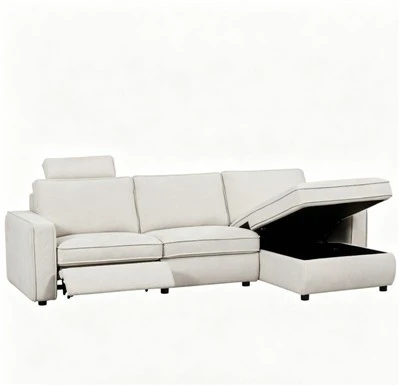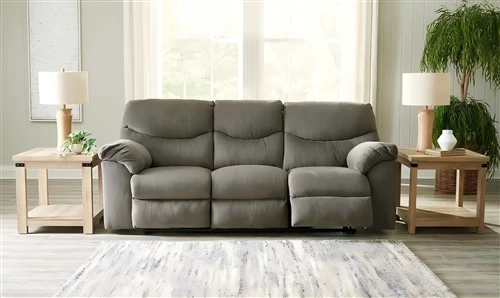

Recliner Sofa for Living Room: Mechanisms and Styles
For overseas furniture importers and wholesale distributors, planning to import recliner sofa inventory carries technical risks that many first‑time buyers underestimate. It is easy to evaluate a model by its showroom appearance, upholstery color and unit price, yet the real performance of a motion sofa depends on what sits inside the frame: the mechanism, the motor, the compliance certificates, and the way the whole unit is packed for long‑distance freight. When these elements are not properly assessed at the quotation stage, problems appear months later in the form of returned goods, slow‑moving stock, and escalating after‑sales support costs.
At JSC Furniture, we have spent years supplying motion furniture to retailers, distributors and hospitality buyers across North America and Europe. What we see again and again is that successful wholesale buyers treat a recliner sofa as a complete supply chain decision, not a single attractive product. They ask about mechanism grade before they ask about fabric, they request fatigue test reports alongside color swatches, and they plan their SKU mix around the housing conditions of the destination market. This guide is written from that factory perspective. It walks through the main mechanism options, explains how style and configuration differ between major regions, and closes with practical sourcing checks for anyone who wants to buy recliner sofa in volume without turning the container into a liability.
If you are building a living‑room category from scratch, you can start by reviewing our recliner sofa for living room range to see configurations we routinely produce for overseas wholesale programs.
Selecting the Right Recliner Sofa Mechanism for Bulk Orders
The mechanism is the heart of a recliner sofa, and it is the single most important item to evaluate before approving a bulk order. A beautiful frame with a weak mechanism will generate complaints faster than a plain frame with a proven one. For international buyers, three mechanism families dominate the wholesale market, and each serves a different price tier and usage scenario.
Manual mechanisms are the most straightforward. They rely on lever or weight‑activated linkage structures with few moving electrical parts, which makes them durable for high‑frequency residential use. A well‑built manual unit can pass thousands of full extension cycles under typical household load, and because there is no motor or wiring, the failure surface is small. Manual models are cost‑effective for mid‑market lines and remain the safest entry point for importers new to motion furniture. Their limitation is simple: they offer a fixed range of recline positions and require the user to operate the lever manually.
Single‑motor power systems are the mainstream choice for family‑oriented retail assortments. A single built‑in motor synchronizes the movement of the backrest and footrest, delivering a smoother and more effortless recline than any manual unit. These models are popular in North American retail because they suit larger living rooms where customers value convenience and quiet operation. Before mass production, importers must confirm the correct electrical documentation for the target territory - CE‑LVD and CE‑EMC for EU markets, or FCC SDoC for the United States - because missing compliance files can delay customs clearance and hurt retail confidence.
Dual‑motor systems take comfort a step further. They let the end user adjust the backrest and footrest independently, which suits premium residential, villa and serviced‑apartment projects where customers expect fine control over their seating position. The trade‑off is real: dual‑motor hardware is more expensive, and wiring, connectors and motor assemblies all require stricter quality inspection during production. Importers should only introduce dual‑motor SKUs when the target retail margin can absorb the higher cost.
There is also a fourth option worth considering for urban markets: the zero‑wall mechanism. Instead of pushing backward into the space behind the sofa, a zero‑wall unit slides the whole seat forward as it reclines, so it can be placed flush against a wall with little clearance. For apartments, condos and rental units where floor space is tight, this design removes the most common installation complaint that retailers hear. Even a technically excellent model can fail in the market if the customer has no room to recline it properly, which is why zero‑wall variants deserve a place in any urban‑focused assortment.
For importers comparing different functional frames, our functional sofa and recliner sofa catalog shows examples of manual, single‑motor and dual‑motor configurations we manufacture for different wholesale programs.

Matching Recliner Sofa Styles to North American and European Market Demands
A technically sound recliner sofa can still under‑perform if its configuration conflicts with the realities of the destination market. Housing size, doorway dimensions, electrical conventions and consumer habits all shape which models actually sell, and these factors differ sharply between North America and Europe.
North American consumers generally respond well to spacious, deep‑seat configurations. Open‑plan family rooms, media rooms and large suburban living areas create steady demand for power‑equipped multi‑seat units, home‑theater‑style modular sets, and models with practical extras such as USB charging ports and built‑in cup holders. Retail shoppers in this market tend to prioritize comfort and whole‑family usage, so deeper cushions and wider seats are a selling point rather than a drawback. Still, importers should not assume every American home is oversized. Condos, rental properties and compact apartments in dense urban centers still favor zero‑wall and compact power units. A well‑balanced assortment for North America usually mixes one or two generous family models with a compact urban option.
European markets present a different set of constraints. Many urban apartments have narrower doorways, tighter stairwells and smaller room footprints, so bulky full‑size power sectionals often struggle to find buyers. European wholesale buyers tend to prefer slimmer‑profile manual or single‑motor units that are easier to move into a home and easier to place in a smaller room. Compact two‑seat and three‑seat standalone models consistently outsell huge multi‑piece modular sets in this market. Compliance also differs: EU retail requires CE and REACH documentation, while the UK market demands separate UKCA verification. Importers who plan for these requirements in advance avoid costly delays at the border.
Upholstery choices follow the same regional logic. North American mainstream lines favor durable performance fabrics and top‑grain leather options because sofas are used heavily by families. European retailers lean toward textured woven fabrics and low‑profile neutral color palettes that suit minimalist interiors and smaller spaces. When you design a recliner sofa collection for a specific region, both the structure and the fabric should be chosen to match local expectations, not copied from another market.
Key Wholesale Sourcing Tips When You Buy Recliner Sofa in Volume
Buying a recliner sofa in volume is different from buying a single showpiece. The margins, the risk and the responsibility are all larger, and the decisions made at the quotation stage determine whether the collection becomes a reliable repeat‑order line or a source of constant friction. Based on our export experience, four checks matter more than anything else.
First, confirm mechanism test reports alongside upholstery samples. Never approve mass production based only on product photos or showroom samples. Ask the factory for fatigue‑cycle test records that match the expected frequency of use, and for the electrical compliance certificates your target market requires. Low‑grade, untested hardware may look identical in a photograph, but the after‑support costs it generates - replacement parts, freight for returns, and the damage to your retail relationship - far exceed the price saving.
Second, manage your SKU portfolio with discipline. A common mistake is launching too many mechanism variants in the first bulk order. Each variant adds forecasting, warehousing and sales‑tracking burden. A practical starting assortment combines one or two core manual models for stable volume with a limited number of single‑ or dual‑motor premium SKUs for higher‑margin segments. This keeps the product line comprehensible while still covering multiple price tiers for your retail clients.
Third, clarify spare‑part support before you pay the deposit. Motion sofas contain wearable mechanical and electrical components, and some normal‑wear claims are unavoidable. Reliable factories supply a percentage of free replacement motors and hardware with each container, and they define a clear procedure for handling claims from your retail customers. Confirm the spare‑part ratio, the lead time for supplementary parts, and the written claim‑handling process in your contract. Without this, a single small defect can balloon into an expensive dispute.
Fourth, evaluate packing and container‑loading efficiency. Oversized recliner sofa units waste container space and raise landed cost. Knock‑down packaging can reduce shipping volume significantly, but you must balance freight savings against the complexity it adds for end customers who have to assemble the product. The right packaging strategy depends on your target channel: a fully assembled model suits retail showrooms, while a knock‑down version may suit online and rental channels better.
These principles also apply when you are expanding beyond a single model into a complete category. For buyers planning a broader living‑room range, our living room sofa collections provide additional frames and configurations that can sit alongside your recliner sofa line.
At JSC Furniture, we combine mechanism testing, frame fabrication and upholstery production in one facility, so buyers work with a single accountable partner rather than coordinating multiple suppliers. Whether you want to import recliner sofa for retail stock, hotel projects or serviced‑apartment developments, we recommend locking down mechanism grade, compliance requirements and target‑market specifications at the quotation stage. A well‑defined specification protects your margins and prevents most after‑sales problems before they begin.
If you are ready to build or refresh your wholesale recliner sofa product line, contact our team to discuss sampling, custom configurations and bulk‑order timelines that align with your regional market needs. With the right mechanism, the right regional mix and the right sourcing discipline, a recliner sofa program can become one of the most dependable, profitable lines in your catalog.