
L-shaped Sofa vs Sectional: What Buyers Need to Know
For furniture importers and retail brands, selecting between an L-shaped sofa and a sectional sofa is a product strategy decision rather than a simple design choice. Both categories offer larger seating capacity and strong visual appeal, but they differ in structure, market positioning, inventory management, and customer expectations.
In export furniture purchasing, many buyers face the same challenge: a sofa may look attractive in a showroom but fail to perform well after entering a specific market. Issues such as oversized dimensions, limited room compatibility, complicated configurations, or unsuitable pricing can affect sales performance and increase after-sales pressure.
At JSC Furniture, we work with international furniture companies on sofa development, sampling, and bulk production. Based on practical export projects, we find that successful buyers usually evaluate three factors before ordering: where the product will be sold, who the target customer is, and how efficiently the collection can be managed after arrival.
For brands expanding their living room category, understanding the difference between an L-shaped sofa and sectional sofa can help create a more suitable product mix for different markets.
L-shaped Sofa vs Sectional: Key Differences for Furniture Buyers
Although these two sofa styles are often grouped together in retail catalogs, their purchasing implications are different.
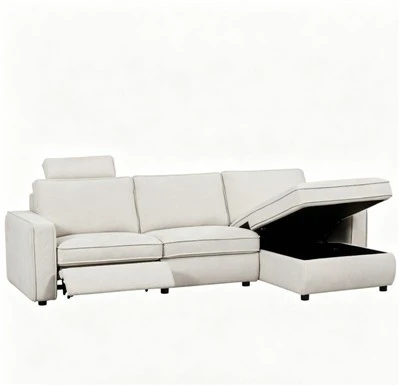
An L-shaped sofa normally features a fixed corner structure with one extended chaise section. It is designed to maximize seating capacity while using corner space efficiently. This makes it a popular choice for residential customers who want a complete seating solution without combining multiple furniture pieces.
Tailored for overseas furniture importers and retail brands, this B2B sourcing guide compares L‑shaped sofa and sectional sofa from JSC Furniture's export perspective. It analyzes core distinctions in product positioning, inventory control, shipping and end‑user habits, shares practical selection advice for North American and European markets, and highlights critical purchasing mistakes to avoid. Help wholesale buyers build well‑matched sofa collections and cut inventory & after‑sales risks for global bulk orders.
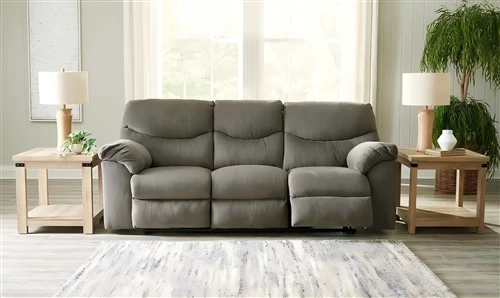
A sectional sofa usually consists of several connected sections. Depending on the design, buyers may offer different combinations, allowing consumers to adjust layouts based on room conditions. This flexibility can be valuable for customers who prefer adaptable furniture arrangements.
From a B2B purchasing perspective, the difference mainly appears in four areas.
1. Product Positioning
L-shaped sofa models are often easier for retail customers to understand because the final appearance is clear. Consumers can immediately imagine the product in a living room setting.
Sectional sofas provide more flexibility but may require stronger product education. Retailers need better product descriptions, showroom displays, or online content to explain different combinations.
For first-time buyers developing a living room collection, a simple and practical configuration often creates fewer sales barriers.
2. SKU and Inventory Management
One of the most common purchasing mistakes is creating too many variations too early.
For example, a buyer may order multiple sectional combinations with different chaise positions, sizes, and modules. While this creates more choices, it also increases inventory complexity. Each variation requires forecasting, warehouse planning, and sales tracking.
For a first bulk order, many experienced buyers prefer testing one or two core designs with several fabric options instead of introducing too many structures at once.
3. Shipping and Installation Considerations
Large sofas create special challenges during international transportation.
Sectional designs may offer advantages because separate modules can sometimes improve packaging efficiency. However, more components can also create additional assembly requirements.
Fixed L-shaped sofa designs may be easier for customers to understand after delivery, but buyers must carefully review carton dimensions and container loading efficiency before production.
4. Customer Usage Habits
The final consumer lifestyle has a direct impact on product selection.
Families looking for a main living room centerpiece may prefer spacious corner seating. Customers living in smaller apartments may prioritize flexibility, compact dimensions, and easier movement.
This is why successful importers usually avoid selecting products based only on appearance. The sofa must match how customers actually live.
How to Choose L-shaped Sofa for North American and European Markets
Market differences play an important role in sofa sourcing. A product that performs well in North America may require adjustments before being introduced into European markets.
For companies planning to build an international living room collection, regional preferences should influence product selection, dimensions, and configuration planning.
North American Market Considerations
North American consumers generally have stronger acceptance of larger living room furniture. Open-plan homes, family entertainment areas, and larger residential layouts create demand for spacious seating solutions.
For this market, buyers often consider:
Larger seating capacity
Deeper cushions
Relaxed comfort-focused designs
Chaise configurations
Family-oriented living room layouts
An L-shaped sofa can work well in this environment because it creates a clear focal point in a large room. Many retailers position these models as premium comfort products rather than simple seating furniture.
However, larger size does not automatically mean better sales performance. Buyers should still review practical factors such as:
Standard doorway sizes
Delivery requirements
Packaging dimensions
Consumer assembly expectations
A common mistake is selecting oversized models because they appear impressive in a showroom. If the product creates delivery difficulties or only fits a limited number of homes, the sales opportunity may become smaller than expected.
European Market Considerations
European markets often require a different approach.
Many urban customers live in apartments where space efficiency is a major consideration. Furniture needs to fit smaller rooms, narrower entrances, and different building layouts.
For European distribution, buyers often focus more on:
Compact dimensions
Flexible layouts
Space-saving designs
Easy transportation
Practical maintenance
A smaller L-shaped sofa configuration may perform better than a large family-style model. Sectional designs with flexible modules can also attract customers who need adaptable solutions.
For importers entering European markets, it is important to confirm local requirements before ordering. A product that looks suitable in product photos may create problems if customers cannot move it through stairways or apartment entrances.
L-shaped Sofa Purchasing Mistakes Importers Should Avoid
Choosing the right sofa category is only the first step. Many purchasing problems happen during supplier selection, order planning, and product management.
One common mistake is focusing only on factory price.
A lower quotation may appear attractive, but buyers should also evaluate:
Production consistency
Material stability
Quality inspection procedures
Packaging standards
Communication efficiency
For example, if upholstery materials change between production batches, the appearance of repeat orders may become inconsistent. This can create problems for retailers building long-term collections.
Another mistake is ignoring after-sales requirements.
Large seating products require careful consideration of replacement parts, assembly instructions, and customer support. A small issue after delivery can become expensive when thousands of units are involved.
Before placing a bulk order, professional buyers should confirm:
Whether the supplier can maintain consistent quality for repeat production.
Whether product dimensions match the target market.
Whether packaging is suitable for international transportation.
Whether the selected models support future collection expansion.
For companies developing a complete living room category, JSC Furniture provides different product solutions, including living room sofa collections, sectional sofa products, and contemporary sectional sofa designs.
The most effective sourcing strategy is not choosing the largest or most complex sofa design. It is selecting products that match market conditions, customer lifestyles, and long-term business goals.
By understanding the differences between L-shaped sofa and sectional sofa categories, furniture importers can build more practical collections, reduce inventory risks, and improve product performance across different markets.