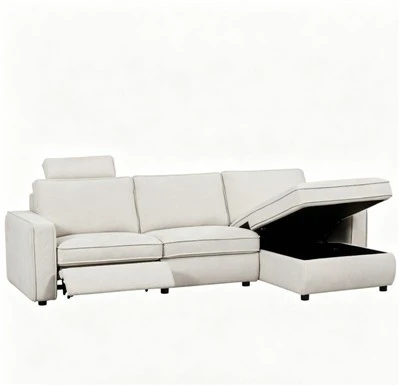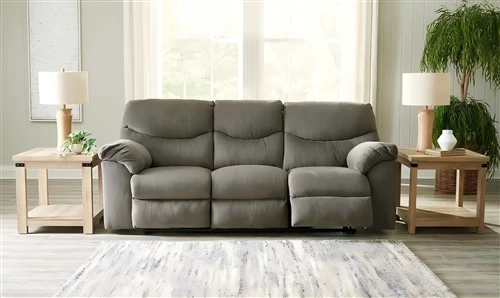


Sofa Fabric Types: Velvet, Chenille and Linen
For furniture importers and wholesale buyers, choosing the right upholstery is rarely just a design decision. In actual sofa sourcing, fabric affects retail positioning, product durability, customer expectations, cleaning complaints, and ultimately the repeat-order potential of a collection. Understanding the main sofa fabric types is therefore essential before confirming a bulk order.
At JSC Furniture, we have worked with overseas furniture buyers for years, supplying sofas for different retail markets across Europe and North America. One sourcing mistake we see repeatedly is choosing upholstery based mainly on color and appearance while overlooking how the fabric will perform in the customer's intended market. A beautiful fabric can still become a difficult SKU if it attracts lint, shows stains easily, or does not match the durability expectations of its target price range.
For B2B buyers, the better approach is to evaluate fabric from three angles: market positioning, everyday performance, and sourcing risk. Velvet, chenille, linen-look fabrics, and performance-oriented upholstery can all work well, but they serve different commercial purposes.
How Sofa Fabric Types Match Different Living Room Markets
The first step in fabric selection is not asking which material is "best." It is asking which material best fits the sofa's intended market, retail price, design language, and expected usage.
Velvet remains an important choice for buyers looking for a premium visual effect. A good velvet sofa fabric can immediately give a sofa a richer appearance, especially on contemporary, glam, or statement-piece designs. In showroom merchandising, velvet can also help create a strong focal point because its surface changes visually with lighting and pile direction.

However, velvet requires more attention during bulk sourcing. Buyers should check whether the fabric has consistent color across production lots and whether the pile direction creates visible shading differences between cushions and larger panels. These issues may not be obvious from a small fabric swatch but can become noticeable once a complete sofa is upholstered.
For premium retail collections, this does not necessarily make velvet a poor choice. It simply means the buyer should approve a larger production sample before placing a substantial order.
Chenille is often more commercially flexible. Its soft hand feel and textured appearance make it suitable for mainstream living room collections, family-oriented furniture, and modern casual designs. From a wholesale perspective, chenille can be easier to position across multiple price points because it offers a comfortable appearance without looking overly formal.
When buyers specify chenille upholstery for sofa, we recommend looking beyond softness. The fabric should be evaluated for surface consistency, seam appearance, color stability, and how the texture behaves around corners and high-contact areas. A very soft sample may look attractive in the showroom but may not necessarily be the best option for a high-volume family sofa.

Linen and linen-look fabrics are particularly useful for buyers targeting contemporary, Scandinavian-inspired, coastal, or relaxed European interiors. Their natural visual character works well with light neutral colors, clean silhouettes, and wood accents.

From an export perspective, however, "linen look" and genuine linen should not automatically be treated as the same product. Many commercial sofas use blended or synthetic fabrics that reproduce the visual character of linen while offering easier maintenance and more consistent production. For wholesale buyers, this can be an advantage because the product can deliver the desired appearance without unnecessarily increasing the purchase cost.
For buyers building a collection rather than sourcing a single sofa, fabric selection should also be coordinated across SKUs. A practical collection may use chenille as the core upholstery, velvet for selected accent models, and linen-look fabric for lighter contemporary designs. This gives retailers visual variety without creating an unnecessarily complicated purchasing program.
If you are comparing upholstery options for an upcoming collection, JSC Furniture's sofa fabric sourcing options can also be reviewed as part of the product selection process.
Comparing Sofa Fabric Types for Durability and Wholesale Risk
Durability is one of the areas where B2B buyers should be careful not to rely on a single technical number. Abrasion performance matters, but it is only one part of the commercial picture.
In real-world wholesale business, fabric durability is connected to how the sofa will be used. A decorative sofa displayed in a boutique showroom has very different requirements from a large sectional intended for family living rooms. Likewise, a rental apartment project, hotel lounge, and private residential collection may require completely different upholstery strategies.
This is why we recommend evaluating fabric samples through practical questions:
Will the surface show marks easily?
Does the texture remain visually consistent after repeated contact?
Is the fabric easy for the end customer to maintain?
Does the color work across the buyer's existing collection?
Can the supplier reproduce the same fabric consistently for future orders?
Is the fabric suitable for the expected retail price?
A common sourcing mistake is to select a fabric because its laboratory specification looks impressive while ignoring the actual retail environment. For example, a highly textured fabric may perform well mechanically but could be more difficult to clean. A very light-colored upholstery may look excellent in a showroom but create more customer complaints in a family-oriented market.
For North American buyers, larger homes and open-plan living areas often create opportunities for bigger sofas and family-oriented collections. In these cases, buyers typically need fabrics that balance comfort, visual appeal, and practical maintenance. Neutral chenille and durable woven upholstery can be effective core options, while performance fabrics can be positioned as upgraded selections.
European markets can be more segmented. Buyers supplying urban apartments may prioritize compact contemporary designs, refined textures, and lighter color palettes. In these collections, linen-look fabrics, textured weaves, and carefully selected neutral chenille can help create the visual style expected by local retailers.
The key point is that durability should be evaluated together with market positioning. A fabric that works perfectly for a premium occasional sofa may not be the right choice for a high-volume family collection.
Another important issue is color consistency. In bulk production, buyers should approve the actual production fabric rather than relying solely on a digital image or small showroom swatch. Lighting, screen settings, fabric direction, and batch variation can all affect the perceived color.
At JSC Furniture, we recommend confirming the fabric reference, color code, production sample, and approved upholstery standard before mass production. This creates a clearer reference point if a quality question occurs after shipment.
For buyers building a broader upholstery program, our sofa collection and upholstery sourcing resources can help support product planning and category development.
How Sofa Fabric Types Support Wholesale Merchandising
For importers and distributors, fabric selection should be connected to merchandising rather than treated as an isolated manufacturing decision.
A common mistake is ordering too many colors or fabric variations before understanding which combinations actually sell. More SKUs may look attractive on a product spreadsheet, but excessive variation can increase inventory complexity, slow replenishment, and make it harder for sales teams to explain the collection.
A more practical strategy is to establish a core fabric program.
For example, a wholesale living room collection could start with two or three core neutral fabrics. A warm beige, medium gray, and natural taupe can cover a broad range of retail environments. The buyer can then introduce one or two accent fabrics, such as deep green velvet or a textured premium chenille, for selected models.
This approach provides visual differentiation without turning every sofa into a separate sourcing project.
Another useful strategy is to match fabric choices with product architecture. A retailer may use a durable woven or chenille upholstery on its best-selling standard sofa, while offering velvet on a smaller accent model. This creates a natural price ladder and allows customers to move between good, better, and premium options.
For overseas buyers, this can also simplify container planning. Instead of purchasing small quantities of many unrelated fabrics, the buyer can concentrate volume on a controlled number of upholstery references. Higher volume on selected fabrics may also make production planning and replenishment easier.
When reviewing a new fabric with a factory, buyers should also consider lead time. A fabric that requires special sourcing or has limited availability may become a problem when the retailer needs to repeat an order quickly. This is especially important for wholesale businesses where successful products may need replenishment several times during a selling season.
Another issue is after-sales consistency. If a sofa becomes a successful SKU but the original fabric is later unavailable, replacing it with a visually similar material may create differences between the first and second production batches. Retailers can then face customer complaints or difficulty maintaining matching furniture sets.
For this reason, buyers should ask the factory about fabric availability, repeat-order capability, minimum order requirements, and alternative materials before approving a new upholstery.
At JSC Furniture, we see fabric selection as part of the entire export supply chain rather than simply an upholstery choice. The best fabric is the one that combines the right appearance with manageable production, repeatability, appropriate market positioning, and acceptable after-sales risk.
For buyers looking to develop a complete sofa range, you can also review JSC Furniture's living room sofa product range when planning how different upholstery options can work across a broader collection.
Final Sourcing Checklist for Sofa Upholstery
Before confirming a bulk sofa order, overseas buyers should review more than a fabric swatch. A practical approval checklist should include:
Market fit: Does the fabric match the target country's design preferences and retail price?
Usage: Is the sofa intended for occasional, everyday, family, commercial, or hospitality use?
Surface performance: Does the fabric maintain a consistent appearance after repeated contact?
Color consistency: Has the actual production fabric been approved?
Cleaning expectations: Is the material suitable for the maintenance expectations of the target market?
Repeatability: Can the same fabric be supplied for future orders?
SKU strategy: Does the fabric add useful variety, or simply create another inventory variation?
Production risk: Are there any concerns about availability, minimum order quantities, or long lead times?
Quality inspection: Has the finished sofa been checked for upholstery tension, seam alignment, color consistency, and visible defects before shipment?
The right upholstery decision can make a meaningful difference to a wholesale sofa program. Rather than choosing fabric purely because it looks attractive in a showroom, B2B buyers should consider the entire product lifecycle-from factory production to container loading, retailer merchandising, customer use, and repeat orders.
At JSC Furniture, our experience as a sofa export manufacturer allows us to help importers evaluate upholstery choices according to product positioning, destination market, production requirements, and expected sales conditions. If you are developing a new sofa collection or looking for a reliable upholstery solution for an existing range, contact JSC Furniture to discuss fabric options, sampling, customization, and bulk production requirements.