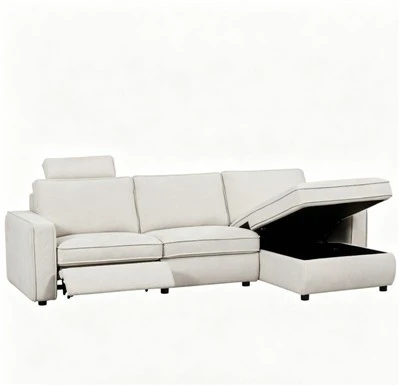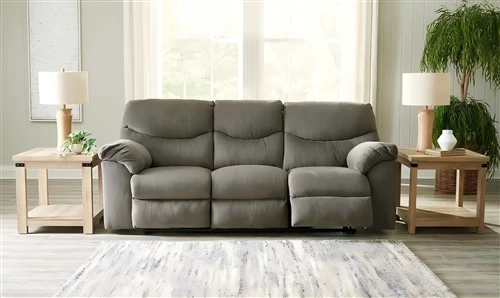


Leather Living Room Furniture: Sets and Pairing Ideas
For overseas furniture importers and wholesale buyers, sourcing leather living room furniture is rarely just about choosing one attractive sofa. The bigger purchasing decision is how individual pieces work together as a commercially viable collection. A well-planned living room set can simplify showroom displays, improve assortment consistency, and give retailers more options for different customer budgets and room sizes. From our experience as a professional sofa manufacturer serving international markets, successful buyers usually think in terms of coordinated collections rather than isolated SKUs. The goal is to build a product mix that looks complete, remains easy to merchandise, and gives end customers clear reasons to buy multiple pieces.

How to Build a Leather Living Room Furniture Set for Wholesale
A practical living room collection normally starts with a strong anchor product. In most markets, the three-seat sofa is the natural starting point because it offers broad residential appeal and provides enough seating to define the room. Once the main sofa is selected, buyers can build the collection around complementary pieces such as a loveseat, recliner, accent chair, or matching ottoman.
For importers, one useful approach is to create several purchasing levels rather than offering every possible combination. A basic combination might include a three-seat sofa and loveseat. A larger configuration could add an accent chair or recliner. This gives retailers a simple product hierarchy while allowing them to purchase according to their available showroom or warehouse space.
When developing a leather living room furniture collection, visual consistency matters as much as individual product quality. The pieces do not necessarily need to be identical, but they should share several design cues. These may include the same leather color family, similar arm profiles, matching stitching details, comparable leg finishes, or a consistent overall silhouette.
This is particularly important for wholesale buyers working with multiple retail locations. A collection with recognizable design language can make displays easier to reproduce across stores. Instead of creating a completely different showroom concept for every location, retailers can use the same core collection while adjusting the number of pieces according to floor space.
At JSC Furniture, we also recommend evaluating the collection at the room level before confirming a bulk order. A sofa may look impressive as a standalone sample but become difficult to pair with other pieces once it reaches a retail floor. Buyers should therefore review complete configurations, not just individual product photographs.
For buyers developing a dedicated collection, the leather living room furniture category can serve as the starting point for evaluating coordinated sofa styles and configurations.
Another practical consideration is SKU management. Too many visually similar models can increase inventory complexity without creating meaningful choice for the retailer. A more efficient wholesale assortment often uses a limited number of core frames with different configurations or upholstery options. This can help buyers maintain variety while keeping purchasing and inventory management under control.
Pairing Leather Sofas With Complementary Seating
Once the main sofa has been selected, the next challenge is determining which seating pieces genuinely add value to the collection. For many overseas markets, a three-seat sofa paired with a loveseat remains a straightforward combination because it works well in both medium and larger living rooms.
Accent chairs can provide another useful layer. Unlike a matching loveseat, an accent chair does not always need to duplicate the sofa's exact design. A chair with a related leather tone and similar proportions can create a more flexible room arrangement. This approach is especially useful for retailers that want a coordinated appearance without making every item look identical.
Recliners are another strong option for collections targeting comfort-oriented customers. However, buyers should consider the positioning of the product carefully. A reclining sofa and stationary sofa may serve different customer segments, even when they share similar upholstery. Instead of automatically combining every seating type, wholesalers should determine which configurations are most relevant to their target market.
For example, a retailer serving apartment customers may need compact combinations that can fit smaller living rooms. A retailer focused on suburban family homes may have greater demand for larger sofas, loveseats, recliners, and occasional chairs. The collection should therefore reflect actual room sizes and customer behavior in the destination market.
Color pairing also deserves attention. Black, brown, dark gray, and warm neutral leather tones are generally easier to coordinate with a broad range of flooring, walls, rugs, and occasional furniture. However, the right choice depends on the retailer's existing assortment. A buyer introducing a new collection should compare proposed upholstery colors with products already in the store rather than selecting colors in isolation.
From a factory sourcing perspective, we suggest requesting physical swatches or production samples before placing a large order. Digital images can make two colors appear similar when they differ noticeably under natural or showroom lighting. For wholesale programs, consistent color references are particularly important when the same collection will be reordered over several seasons.
The same principle applies to leather texture and finish. If the sofa, loveseat, and chair are intended to be sold as a coordinated group, the surface appearance should be visually compatible. Buyers should confirm the material specification and finish across all related SKUs before approving production.
Planning a Wholesale Collection for Different Room Sizes
A successful collection needs more than matching designs. It should give retailers practical merchandising flexibility. This is where room-size planning becomes important.
For smaller living rooms, buyers can consider a sofa-and-chair combination instead of automatically pairing a three-seat sofa with a loveseat. This creates a lighter visual footprint while still giving customers multiple seating positions. Compact sofas can also be positioned as standalone products for customers who do not want a complete set.
For medium-sized rooms, a three-seat sofa plus loveseat is often an efficient foundation. Retailers can display the combination together while selling each piece individually. This dual merchandising strategy gives customers the option to purchase a complete arrangement or build their room gradually.
For larger living spaces, buyers can introduce additional seating or larger configurations. A sofa, loveseat, and accent chair can create a complete showroom scene, while recliners or ottomans can provide additional upselling opportunities.
This is also why wholesale buyers should avoid building an assortment entirely around one room size. A collection designed only for large homes may have limited appeal in urban markets, while a range consisting exclusively of compact pieces may leave sales opportunities on the table in suburban markets.
When planning a leather living room furniture assortment, we recommend dividing SKUs into three practical groups:
Core sellers: the products expected to generate the majority of sales.
Supporting pieces: loveseats, chairs, recliners, or ottomans that complete the room.
Display or specialty items: distinctive models used to create visual interest or target a specific customer segment.
This structure helps buyers control purchasing risk. Core products can receive deeper inventory, while specialty pieces can be ordered in smaller quantities until actual market demand becomes clearer.
Packaging and container utilization should also be considered during sourcing. A visually attractive set may not be commercially efficient if its packaging takes up excessive container space. Buyers should ask suppliers about carton dimensions, loading efficiency, packaging protection, and whether multiple configurations can be optimized for shipment.
For international importers, another important issue is replacement and replenishment. If a retailer sells the sofa quickly but cannot reorder the matching loveseat, the original collection strategy becomes less effective. Before placing a bulk order, buyers should discuss production lead times, repeat-order availability, material continuity, and the supplier's ability to maintain the collection over time.
For buyers expanding beyond living room seating, related sofa collections can also help create a broader product mix while keeping the overall assortment focused on commercially proven seating styles.
A second useful category for expanding the assortment is recliner sofas, particularly when the target market has strong demand for comfort-focused living room products. Combining stationary and reclining products can give retailers a wider price and function range without requiring an entirely separate design language.
Ultimately, the strongest wholesale collections are not necessarily the ones with the largest number of SKUs. They are the collections where each piece has a clear role, the designs work together, and the assortment can be adapted to different retail environments.
For importers working directly with a manufacturer, the sourcing process should therefore begin with the intended market and merchandising strategy. Define the target room sizes, customer profile, preferred colors, expected price positioning, and core configurations before finalizing the product list. Then review samples as a complete room rather than judging each sofa independently.
At JSC Furniture, we believe this approach creates a more practical sourcing process for international buyers. A well-planned collection gives retailers a cohesive showroom story while allowing them to purchase the individual pieces that match their local demand. For wholesalers, that balance between design consistency, assortment flexibility, and inventory control is often more valuable than simply adding more models to a catalog.