

Sectional Sofa Sourcing: Sizes, Modules and Markets
For overseas furniture importers and wholesale buyers, sourcing a sectional sofa is not simply a matter of choosing a good-looking design from a supplier catalog. The wrong combination of modules, an unsuitable overall footprint, or a configuration that does not match the target market can lead to delivery problems, showroom limitations, excess inventory, and avoidable after-sales issues. After years of manufacturing and exporting upholstered furniture to North America and Europe, we have found that successful buyers usually make the decision from three angles: module flexibility, room dimensions, and local customer preferences. This guide explains how to evaluate those factors before placing a bulk order.

Sectional Sofa Module Selection: Build Around the Retail Market
One of the most common mistakes we see in wholesale sourcing is treating a modular collection as if every piece has the same commercial value. In reality, each module should have a clear purpose within the retailer's assortment.
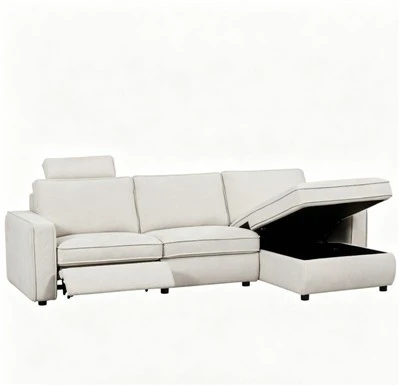
A typical modular configuration may include armless seats, corner units, one-arm seats, chaise modules, ottomans, and end units. The advantage of this structure is flexibility: retailers can create several room layouts from a relatively controlled number of components. For importers, however, flexibility only becomes commercially useful when the module combination reflects actual market demand.
For example, a buyer targeting mainstream residential retailers may want a core configuration that can be sold as a standard three- or four-seat arrangement, while also allowing the retailer to add a chaise or corner section when floor space permits. This creates a practical balance between display appeal and SKU control.
The first question we recommend asking a factory is not simply, "What models do you have?" Instead, ask, "Which modules can be combined across the collection, and which modules are interchangeable?" This distinction matters because two sofas may look modular but use completely different frames or connection systems.
A modular collection becomes much easier to manage when the following elements are standardized:
Frame connection points
Seat depth and height
Backrest proportions
Arm height
Upholstery color availability
Leg or base design
Packaging dimensions
Module identification and labeling
Buyers should also review how the modules connect during actual assembly. A configuration that looks seamless in a showroom photograph may be less convenient if installation requires complicated alignment or if individual pieces move apart during normal use.
For buyers building a contemporary assortment, our contemporary sectional sofa range can be used as a reference when comparing modern modular silhouettes, configurations, and merchandising possibilities.
Another practical issue is left-hand versus right-hand orientation. A chaise that is fixed to one side can limit where the retailer places the product. If the target market has many customers living in apartments or frequently changing room layouts, reversible or more flexible configurations may offer greater merchandising value.
From a factory sourcing perspective, we also recommend requesting a module matrix before confirming the order. The matrix should show which pieces can be combined, their individual dimensions, packaging information, and the finished dimensions of the most common configurations. This simple document can prevent many misunderstandings between the buyer, factory, warehouse, and retail customer.
Do not assume that adding more modules automatically makes a collection stronger. Too many options can create inventory fragmentation. A retailer may end up carrying several low-volume pieces that are difficult to sell independently. A more controlled approach is to identify a few core modules, then use additional pieces as optional upsell or customization items.

Sectional Sofa Dimension Guide: Avoid Costly Size Mistakes
A good sectional sofa dimension guide should do more than list width, depth, and height. For B2B buyers, dimensions need to be evaluated from the perspective of the complete delivery and retail process.
The first measurement is the finished footprint. Buyers should review not only the width of each module but also the overall dimensions when the modules are assembled. A configuration that fits comfortably into a factory showroom may become difficult to place in a typical customer living room.
One recurring sourcing problem is selecting a very deep sofa because it looks comfortable in promotional photography. Deep seating can create a premium appearance, but it may reduce usable circulation space in smaller rooms. This is particularly important for products destined for urban apartments.
Door and elevator access should also be considered. A sofa can have an acceptable assembled footprint and still become a delivery problem if individual modules are too large or packaged inefficiently. Before production, importers should review carton dimensions and determine whether the packaged components can pass through typical residential entrances.
We have seen cases where a buyer approved a large corner configuration without checking the packaging dimensions. The product itself was suitable for the intended living room, but several retail customers later reported difficulty moving the packaged units through narrow stairways and apartment elevators. The problem was not the sofa design itself; it was a gap between showroom dimensions and real-world delivery conditions.
For this reason, buyers should check at least five dimensions during the approval process:
Individual module dimensions
Overall assembled footprint
Seat depth and usable seating area
Carton dimensions for shipping and delivery
Clearance required around the finished configuration
The sixth consideration is the relationship between the sofa and other furniture. A large sectional placed beside a coffee table, TV console, or occasional chair needs sufficient circulation space. Retailers should therefore evaluate the sofa as part of a room rather than as an isolated product.
Container loading is another important B2B consideration. Large modular seating can consume considerable shipping volume, so buyers should compare the commercial value of the finished configuration with its packed volume. A visually impressive model is not necessarily an efficient export product if its packaging leaves excessive unused container space.
This is where factory communication becomes especially important. Before placing a purchase order, ask the supplier to provide both product dimensions and packing dimensions. If possible, request a simple loading plan for the intended quantity. This gives the buyer a clearer understanding of landed logistics costs before production begins.
The same principle applies when comparing products from different factories. Do not compare only the selling price. A lower unit price may be offset by larger cartons, less efficient loading, higher damage risk, or more complicated assembly.
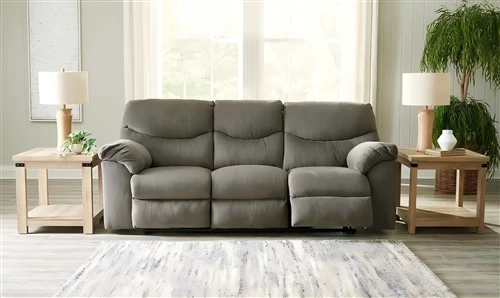
For retailers expanding their overall seating assortment, related living room sofa options can also be evaluated alongside modular products. This helps buyers determine whether the collection has enough variety across different room sizes without relying entirely on large configurations.
Sectional Sofa Sourcing: North America vs Europe
North American and European buyers can have noticeably different requirements when sourcing modular living room seating. These differences are not absolute, but they are important enough to consider when developing a wholesale collection.
In North America, larger living rooms and open-plan residential layouts can create demand for more generous seating arrangements. Buyers may be more comfortable with larger configurations that combine multiple seats with a chaise or corner section. Comfort, lounging space, and visual scale are often important factors when evaluating the collection.
This does not mean that every North American market requires oversized products. Urban markets, condominium developments, and smaller homes may favor more compact configurations. The key point for importers is to avoid using one national assumption for every customer segment.
European markets often require greater attention to compact footprints and room flexibility. Apartments and tighter residential layouts can make excessive depth or width less practical. Buyers may therefore find value in modular systems that provide several configurations without requiring every retailer to stock the largest version.
Another difference is how the product may be displayed. A European retailer with limited showroom space may prefer a compact configuration that communicates the design concept without occupying an excessive amount of floor area. A North American retailer with a larger showroom may be able to display a more expansive arrangement.
These market differences should influence the initial SKU strategy.
For a North American-focused collection, an importer might prioritize:
Larger core configurations
Chaise options
Deeper lounge-oriented seating
Flexible combinations for open-plan rooms
Additional seating modules for upselling
For a European-focused collection, the buyer may place greater emphasis on:
Compact configurations
Moderate seating dept
Flexible left/right layouts
Space-efficient modules
Easier delivery through tighter residential access points
The important lesson is that buyers should not simply take a successful configuration from one market and assume it will perform identically in another.
We also recommend considering regional warehouse practices. If the importer operates several distribution centers, the preferred module mix may differ between locations. One warehouse serving suburban customers may need larger configurations, while another serving dense urban areas may benefit from compact modules.
For buyers looking for a sectional sofa collection, the safest purchasing strategy is usually to start with a controlled core range and expand based on actual sales data. Before finalizing the order, confirm the target market, finished configuration, individual module dimensions, packaging dimensions, connection method, upholstery options, lead time, and replenishment availability.
At JSC Furniture, we approach modular sofa sourcing from the manufacturing and export side because the commercial result depends on more than the appearance of the finished product. The right collection needs to be practical for the retailer, manageable for the importer, efficient to ship, and appropriate for the end customer's living space.
For wholesalers planning a wholesale sectional sofa for living room program, discussing the intended market and target configurations with the factory before sampling can save considerable time later. Instead of selecting a model first and trying to solve logistics afterward, buyers can work backward from room size, module requirements, packaging, and expected retail positioning.
That approach helps turn a modular sofa collection from a catalog concept into a practical wholesale assortment that can be stocked, displayed, delivered, and reordered with fewer surprises.